How to Seal a Wooden Sign for Outdoor Use
Seal an outdoor wooden sign with spar urethane (it flexes with the wood instead of cracking) or a water-based exterior polyurethane for pale tones an oil amber tint would shift. Three thin coats, every face and edge, and a 48-72-hour cure before the sign meets weather.
How to seal a wooden sign for outdoor use, from surface prep through final cure.
Do outdoor wood signs need to be sealed?
Yes. Unsealed wood outdoors swells, cracks, and grays within a season or two as it cycles through wet and dry, and UV bleaches the pigment even under a covered porch.
Wood takes on and gives off moisture: it expands when wet and contracts when it dries. An untreated sign goes through that cycle every time it rains, and within a season or two, paint peels, stain fades, and engraved edges begin to fray. The right sealant slows moisture, so the wood dimensions stay steadier and the finish stays sharp.
UV also breaks down the finish and bleaches wood pigment. Even on a covered porch, UV radiation bounces off surrounding surfaces. An exterior-rated sealant contains UV absorbers that slow this process.
Getting the process right matters more than the product you choose. A premium sealant applied over improperly prepped wood peels. A mid-range product applied correctly over clean, sanded wood holds up far better, though no clear exterior finish protects wood permanently, so check it every year.
Which sealant goes on an outdoor wood sign?
For most custom signs, you have three practical choices: water-based exterior polyurethane, oil-based spar urethane, and penetrating exterior oil. Each has strengths.
Water-based exterior polyurethane
Dries clear without the amber tint that oil-based products add. Better for light wood tones (maple, pine) or signs with pale stain colors where warmth would shift the look. Faster dry time between coats (typically 4 to 8 hours). Low odor, easy soap-and-water cleanup. Less flexible than spar urethane, so on signs exposed to wide temperature swings, it may eventually show fine surface crazing.
Oil-based spar urethane
Formulated specifically for exterior wood. Higher oil content means it flexes with the wood rather than cracking under thermal stress. Adds a warm amber tone: beautiful on cedar and oak, less ideal for pieces where you want to preserve cool gray undertones. Longer dry times and stronger solvent odor. For signs facing direct weather (porch posts, garden stakes, lakefront signs), spar urethane is the more durable choice long-term.
Penetrating exterior oil
The third option. Tung oil and exterior-rated Danish oil soak into the grain instead of forming a film on top. Because there is no film, there is nothing to peel or crack: a weathered oil finish fades evenly rather than failing in patches, and refreshing it is a wipe-on job with no sanding. The trade-off is protection: oil slows moisture, it does not block it, so it needs reapplying yearly. We reach for it on raw-wood pieces where the grain is the point and a glossy film would flatten it.
| Finish | Best for | Tone shift | Reapply | Fails by |
|---|---|---|---|---|
| Oil-based spar urethane | Direct sun, open rain, coastal salt air | Warm amber | Check yearly; recoat when water stops beading | Slow yellowing, eventual chalking |
| Water-based exterior poly | Light woods, pale stains, covered porches | Stays clear | Check yearly; recoat when water stops beading | Fine surface crazing in big temperature swings |
| Penetrating exterior oil | Raw-grain pieces where a film would flatten the look | Slight warm deepening | Yearly | Fades evenly without peeling or cracking |
| Interior polyurethane | Nothing outdoors | Varies | — | Peeling and clouding |
The last row is the one that costs people signs. Interior polyurethane fails outdoors regardless of brand or price, because it lacks the UV inhibitors and flexibility additives exterior formulas carry. Check the can for an exterior or spar rating before you open it.
Which wood you started with changes how much work the finish has to do. Dense, oily species shrug off moisture on their own; soft porous ones lean on the finish for everything. We broke that down species by species in our guide to the best wood types for personalized signs.
Choosing between the three comes down to how much sun the sign gets and how you feel about the amber warmth the oil-based options add. We put spar urethane, water-based poly, and marine spar varnish side by side in our journal post on the best finish for an outdoor wood sign.
Step-by-step: sealing your sign
-
Clean the sign surface
Wipe the entire sign with a clean, dry rag. Remove dust, fingerprints, and any handling oils. For signs that spent even a day outdoors, follow with a slightly damp cloth and allow two full hours of drying time before you proceed. Moisture trapped under the first coat creates bubbling and adhesion failure.
-
Sand lightly with 220-grit
Attach 220-grit sandpaper to a sanding block and scuff the face and edges of the sign in the direction of the wood grain. The goal is not to remove material but to scuff the surface so the coat bonds. Move carefully around engraved or painted lettering to avoid rounding over the crisp edges.
-
Remove dust with tack cloth
Wipe in one direction with a tack cloth. Do not use compressed air: it drives fine sanding particles into the grain. Every particle left behind shows as a tiny bump under the finished coat.
-
Apply first coat of exterior sealant
Load a foam brush or natural-bristle brush with sealant and apply in long, even strokes with the grain. Avoid back-and-forth scrubbing. Thin coats bond better and level more cleanly than heavy applications. If you are working with porous wood like pine or cedar, thinning the first coat by 10 percent improves penetration.
-
Wait for full cure between coats
Check the label on your specific product for dry times (typically 4 to 8 hours for water-based and 24 hours for oil-based). Touch-dry is not the same as ready for recoating. Applying the next coat too soon traps solvent vapors that cause cloudiness or bubbling.
-
Sand between coats with 400-grit
A quick pass with 400-grit wet/dry sandpaper between coats removes brush marks, dust nibs, and any minor drips, and gives the next coat a surface to bond to. Wipe clean again with the tack cloth.
-
Apply second and third coats
For covered porches with indirect weather exposure, two coats is sufficient. For signs in direct sun, open rain exposure, or coastal environments, apply a third coat. In our experience, three thin coats outlast two thick ones because thin coats level without sagging and cure through evenly.
-
Cure fully before mounting outdoors
After the final coat, keep the sign indoors for 48 to 72 hours minimum. Oil-based products continue curing for up to a week. Mounting while the finish is still soft means the first rain or hard wind can leave marks that are difficult to repair.
How do you seal a sign with painted or stained lettering?
Paint sits on the surface, so the sealant has to bond to it rather than to bare wood. Painted and stained finishes on engraved wood need a slightly different approach. When sanding between sealant coats, use light pressure over lettering and painted areas to avoid cutting through to bare wood. A foam pad or folded sandpaper works better than a rigid block in recessed areas.
On signs with dark stain over light wood, check that your sealant is compatible with the stain brand before applying. Some fast-dry stains remain chemically reactive for 72 hours and will bleed slightly when a solvent-based topcoat touches them. When in doubt, use a water-based sealant over stained surfaces.
For hand-painted lettering (acrylic or chalk paint), always test sealant adhesion on a hidden corner or scrap piece first. Chalk paint in particular is porous and some sealants darken it or pull up the surface.
How often should you reseal an outdoor wood sign?
Even the best exterior sealant eventually needs refreshing. Check your sign each spring. The sign is due for reapplication when water no longer beads on the surface: instead of forming droplets, it spreads out and absorbs. That means the film has thinned enough for moisture to start penetrating.
Before reapplying, clean the sign with a mild soap-and-water solution, rinse with plain water, and allow to dry completely. Light scuffing with 220-grit and a fresh coat of sealant restores full protection without stripping the original finish.
Signs mounted in exposed locations (south-facing direct sun, lakefront, or near sprinkler systems) wear fastest, so check them every year. Signs under deep eaves or in covered porches with limited weather exposure last considerably longer between applications, so let the water test tell you when.
Free guide
Planning a sign that lives outside?
Get the Sign Sizing Guide: the letter height that reads from the street or the drive, and the proportions that work on a porch post or a fence. We send the link by email, and the notes after it cover how we choose the wood and its stain.
Sizing it before you seal it
Settle one thing before any of this: how big the sign needs to be. Letter height is a function of viewing distance, and a sign that reads perfectly on your workbench can be illegible from the sidewalk. Our porch sign sizing guide walks through the measurement and the letter-height formula, so you seal a sign that was the right size to begin with.
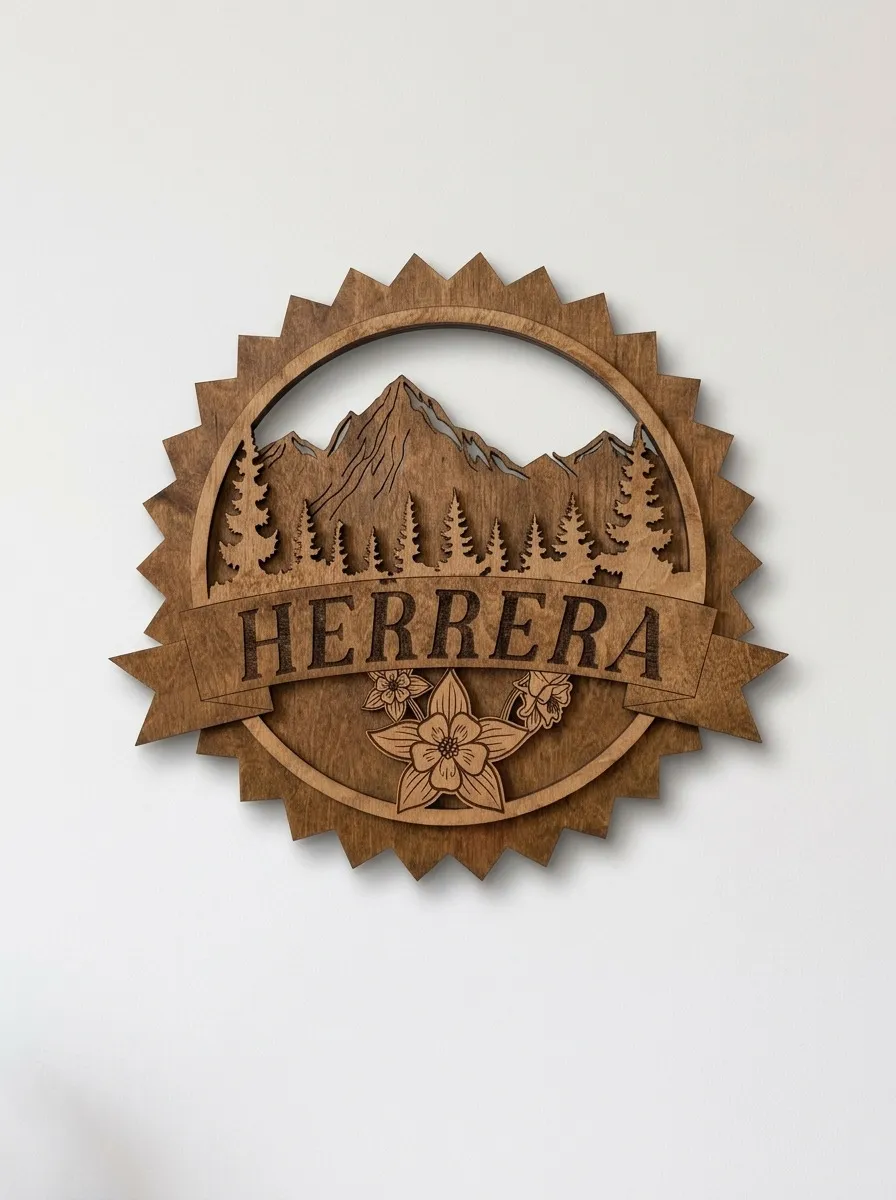
If the sign itself is still ahead of you, the Custom Mountain Name Sign arrives sanded and ready for the sealing method above, and a piece built for weather from the first cut is a custom order.
Common questions about sealing outdoor signs
Which sealer goes on an outdoor wooden sign?
Oil-based spar urethane for signs in direct weather: it flexes with the wood instead of cracking under thermal stress. Water-based exterior polyurethane for light wood tones or pale stains, where the amber tint of an oil-based product would shift the color. Both work; the choice is about exposure and tone, not quality.
Can you use regular polyurethane on an outdoor sign?
No. Interior polyurethane lacks the UV inhibitors and flexibility additives that exterior formulas include, and it fails outdoors regardless of brand. Check the can for an exterior or spar rating before you start.
How many coats of sealant does an outdoor sign need?
Two coats for a covered porch with indirect exposure, three for direct sun, open rain, or coastal salt air. In our experience, three thin coats outlast two thick ones, because thin coats level without sagging and cure through evenly.
How long should a sealed sign cure before going outside?
Keep it indoors 48 to 72 hours after the final coat. Oil-based products keep hardening for up to a week. Touch-dry is not cured: mounting while the finish is still soft means the first hard rain can leave marks that are difficult to repair.
How often does an outdoor wood sign need resealing?
Check each spring by splashing water on it. When water stops beading and starts spreading and soaking in, the film has thinned and it is due. Exposed south-facing or lakefront signs wear fastest, so check them every year. Signs under deep eaves last considerably longer, so let the water test, not the calendar, say when.
How long does a sealed wooden sign last outside?
No clear exterior finish protects wood permanently, so check the finish every year. The USDA Forest Products Laboratory puts clear varnish left unprotected outdoors at refinishing every 1 to 2 years, and says it lasts considerably longer under an overhang or on a north wall. The finish is what wears, not the wood beneath it. Unsealed, bare wood in open weather goes gray and starts raising grain within a single season.
What temperature should you seal a sign at?
Between 50 and 90°F, out of direct sun, and below about 85% humidity. Most exterior finishes print that window on the can. Cold slows the cure to a crawl and can leave the film soft. Direct sun skins the surface before the coat underneath has leveled, which is what causes brush marks that will not sand out.
Do you need to seal a sign that hangs under a covered porch?
Yes, though you can get away with two coats instead of three. Covered does not mean dry: humidity swings still move the wood, and UV bounces off surrounding surfaces onto anything in shade. Unsealed wood on a covered porch grays noticeably within a couple of seasons.
Our signs ship ready to seal
Every sign and wall piece we make is cut from void-free Baltic birch, so the sealant bonds to real wood. It ships with the finish already on it, a natural matte oil or a walnut-tone stain depending on what you chose, and your outdoor sealant coat goes on over that finish rather than onto bare wood.
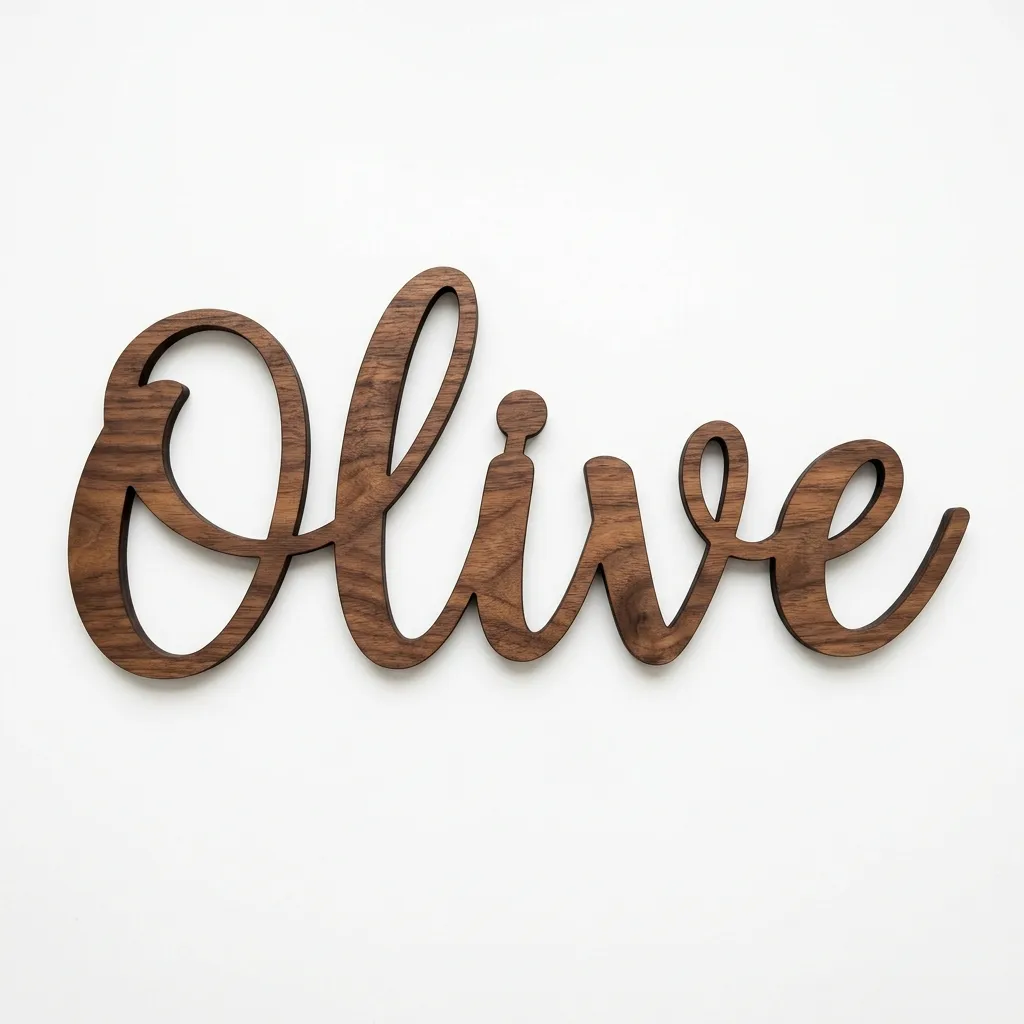
Most of what we keep in the shop is made for indoor life: nursery name signs like the walnut nursery name sign, wall pieces, and farmhouse kitchen signs for the kitchen wall. If what you need is a piece built for weather from the start, that is a custom order: we finish the same Baltic birch for outdoor exposure here, and you skip most of this guide.
If a porch or entry sign is what brought you here, our house signs collection is the fastest way to see what's cut and ready. Every piece ships sanded and clean, ready for the sealer this guide walks you through.
Questions about how a specific sign was finished? Contact us: we build every piece ourselves and can tell you exactly what went into your order.