Best Wood Types for Personalized Signs
Cedar is the safe outdoor pick: naturally weather-resistant with a warm grain. Hardwoods like oak and maple hold the crispest engraving indoors, and basswood suits painted pieces. Our own personalized work is cut from void-free Baltic birch, natural or walnut-stained.
Wood species affects four things: how sharp the lettering can be, how well the sign holds up outdoors, how it takes stain and paint, and how it feels in the hand. The woods most commonly used for custom signage, compared.
What we cut your sign from
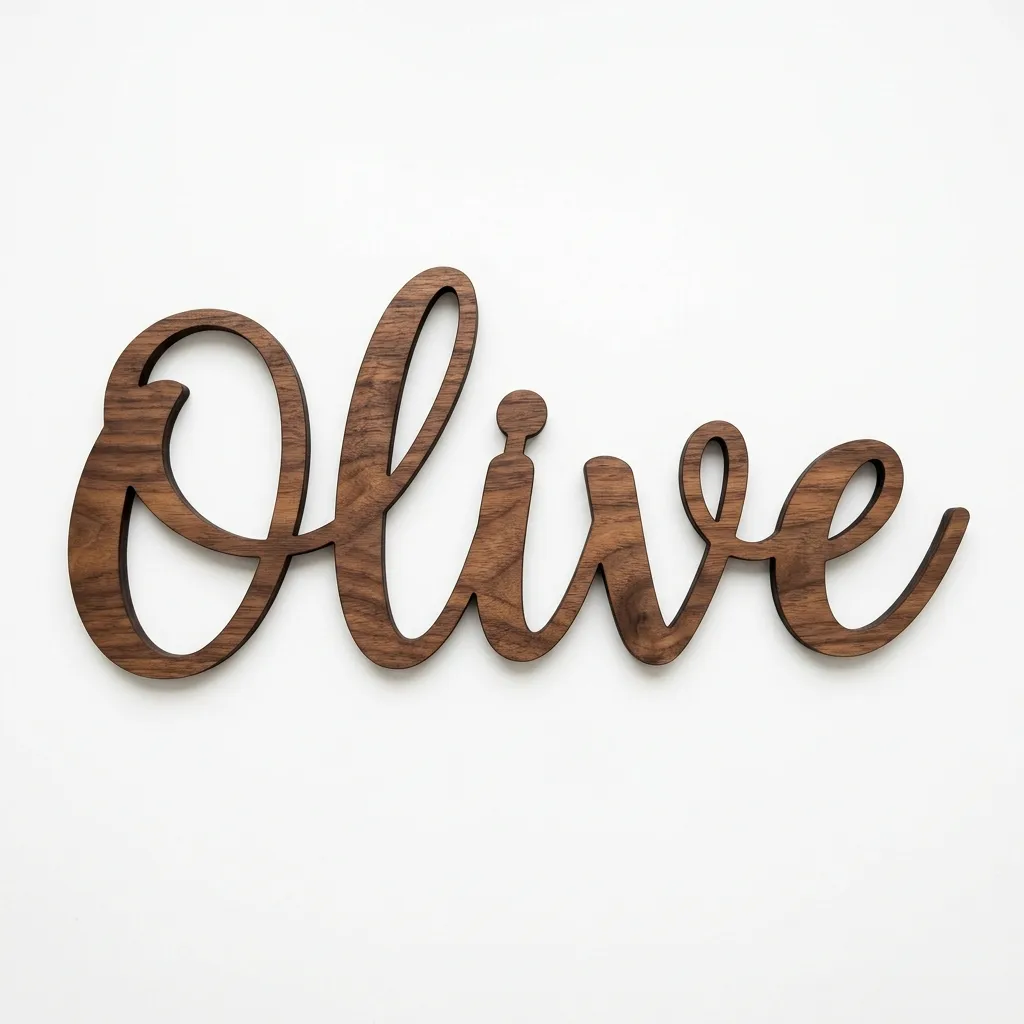
Baltic birch, natural or walnut-stained: void-free multi-ply, never MDF or a print film over composite. "Walnut" names the stain color, not a walnut board. Baltic birch tests at 1,210 lbf on the Janka hardness scale; the figures and their sources are on our wood durability and safety page.
The comparison below is general sign-making reference for anyone weighing other woods, and how we select wood is at the end.
Why does wood species matter for a custom sign?
Wood species determines how the sign looks, how well it survives its environment, and how cleanly it takes stain or paint. Hardness, grain tightness, natural oil content, and dimensional stability are the variables that decide all three.
The substrate does much of the work. A softwood exposed to rain without sealing swells and checks. An open-grained species like oak produces text edges that look slightly fuzzy compared to the same design laser-cut in hard maple.
None of these are catastrophic failures. But knowing the tradeoffs before you order means you end up with a sign suited to where and how it will live.
A note on scope: this guide compares wood species in general use across the sign-making trade. The comparison holds whoever you end up buying from. We work in Baltic birch, natural or walnut-stained: see how we select wood below for what that means for your order.
Pine
Pine is the most widely available wood in North America and the default material for inexpensive signage. It is soft enough to cut easily with most routing and laser equipment, which translates to lower production cost. It takes paint and stain well, though the visible grain pattern means that under a light stain, the harder summer growth rings can show through the finish as slightly darker bands.
The main limitation with pine is moisture sensitivity. Untreated pine absorbs water quickly and expands across the grain, which leads to warping in outdoor conditions. Pine used outdoors needs aggressive sealing and regular reapplication. For a covered porch with minimal direct weather exposure, properly sealed pine can hold up reasonably well. For signs mounted on a fence post or garden stake in full weather exposure, pine is not the right choice.
For indoor personalized signs, pine is a perfectly capable material. The warmth of its grain under a natural or amber stain is attractive, and its light weight makes large pieces easy to hang and shift.
Best for: indoor display, painted finishes, farmhouse kitchen signs and other budget-conscious orders.
Knotty pine vs. clear pine
Knotty pine has visible knots that give it a rustic, informal character. Knots are stable as long as they are sound (not loose), but they interrupt the grain around them in ways that can cause tearout during routing. Clear pine, with fewer or no knots, is a more predictable surface for detailed engraving. For signs with fine lettering or detailed cuts, clear pine is worth the modest price premium over knotty boards.
Cedar
Western red cedar and eastern white cedar are the go-to outdoor sign species for good reason. Cedar contains natural oils that resist moisture penetration and inhibit the mold and fungal growth that break down untreated outdoor wood. A cedar sign properly sealed will outlast an equivalently sealed pine sign in identical conditions.
Cedar's grain has a straight, tight character in quality pieces, and its reddish-brown warmth under a natural or oil finish is distinctive. It is light for its volume (lighter than most hardwoods), making it practical for larger outdoor pieces that need to hang on a single fastener.
The tradeoff is cost relative to pine and a softer surface than hardwoods. Cedar will dent more easily than oak or maple if physically impacted. For garden signs and property markers that might catch a mower blade or get brushed by a branch, this matters. For porch signs well out of contact range, cedar's softness is not a practical issue.
Cedar's natural oils can sometimes interfere with paint adhesion if not properly primed first. For painted finishes over cedar, an oil-blocking primer is worth the extra step.
Best for: outdoor signs, natural or stained finishes, garden markers, fence-mount plaques, lake house signs.
Oak
Red oak and white oak are among the most durable domestic hardwoods available for signage. They are dense, heavy, and resist denting under normal use. A well-finished oak sign has a weight and solidity that communicates permanence in a way that softwoods cannot replicate.
Oak's main characteristic is its open, pronounced grain. Under a clear or light-tinted finish, the ray fleck pattern on quarter-sawn oak is striking. Under paint, the grain shows through less, but the surface texture of open-grain oak is more pronounced than maple or basswood. For signs with fine, closely-spaced lettering, oak's open grain can soften the sharpness of cut edges slightly compared to tight-grained species.
White oak has slightly tighter pores than red oak and is naturally more moisture-resistant due to its tyloses (cells that block water transport through the grain). For outdoor applications, white oak is meaningfully better than red oak, though both need sealing. Red oak is a poor outdoor choice without aggressive protection.
Oak takes stain and holds it evenly across its surface when properly prepared. The heavy grain means it absorbs more stain than tighter-grained species, so a test piece is worth doing when matching a specific color.
Best for: office nameplates, professional recognition plaques, large indoor statement pieces, white oak for outdoor premium pieces.
Maple
Hard maple (sugar maple) is a strong choice for custom signs where letter sharpness and fine detail matter most. Its grain is extremely tight and even, with minimal variation in hardness between growth rings. This uniformity means a router or laser cuts through maple without tearout, producing crisp, sharp-edged letters even in small point sizes or detailed scripts.
Maple is pale, almost white when freshly surfaced. It takes paint evenly and cleanly. Under a clear finish, it has a subtle warm cream tone. Under darker stains, maple can blotch unevenly because its tight grain absorbs stain inconsistently. A pre-conditioner applied before staining improves uniformity. For lighter natural finishes or painted pieces, maple is ideal without any special preparation.
Hard maple is one of the densest domestic woods commonly available: harder than oak on the Janka scale. It requires sharp tooling and takes slightly more production time than softer species. This is reflected in its price, but the quality of the finished surface justifies the premium for pieces where precision matters.
Maple is an indoor species in signage applications. Its density does not automatically make it weather-resistant; it lacks cedar's oils or white oak's tyloses. Properly sealed maple in a covered porch location can work, but it is not the first choice for outdoor exposure.
Best for: fine-detail engraving, small-text signs, indoor premium pieces, light or natural finishes, painted personalized gifts.
Basswood
Basswood occupies an unusual position: it is technically a hardwood (broad-leaved deciduous tree) but its hardness is comparable to soft pine. What it lacks in hardness it makes up in grain consistency. Basswood has almost no visible grain pattern and extremely consistent density from growth ring to growth ring. This makes it the preferred species for hand carving and shallow relief work.
For personalized signs with dimensional elements (raised lettering, carved borders, shallow relief imagery), basswood lets the maker cut clean, controlled shapes without fighting grain direction or unexpected hard spots. The result is sharper, more precise dimensional work than most other species allow at the same price point.
Basswood accepts paint well. Its low, uniform porosity means paint layers go on evenly without primer in most cases. Stain is less successful on basswood: the minimal grain character means stained basswood looks flat and characterless compared to oak or cedar in the same finish.
Like maple, basswood is an indoor-only material in most sign applications. It is not dense enough to resist moisture well and lacks any natural oils. For painted indoor pieces and personalized gifts where the carving quality needs to be high, basswood is an excellent choice. For display in any outdoor setting, choose cedar instead.
Best for: carved relief signs, dimensional lettering, painted indoor gifts, ornament-style personalized pieces.
Quick comparison
Is walnut or Baltic birch better for an engraved sign?
In this catalog, walnut is not a separate species to compare: it is a stain color applied to Baltic birch, so there is no hardness contest to run. Baltic birch itself tests at 1,210 lbf on the Janka hardness scale, and its void-free plywood core keeps fine laser-engraved detail clean instead of crumbling at the edge the way a lower-grade panel can.
That Janka figure comes from the Wood Database's entry for the European birch used in Baltic birch veneers. Species hardness ratings apply to the wood itself, not the finished panel. Does the walnut-tone stain wear like the natural face? Yes: both are the same birch underneath, so the choice between them is entirely about the look you want on the wall, not the wear you can expect from it.
Which wood should you choose for your sign?
Going outdoors in direct weather?
Cedar is the first choice. Properly sealed cedar handles rain, sun, and temperature swings. White oak is the premium alternative if you want the hardwood density and can commit to annual sealing maintenance. Avoid pine, maple, or basswood in direct weather exposure.
Displaying in a covered porch or sheltered exterior?
Covered outdoor locations significantly expand your options. Cedar still performs best, but well-sealed pine will hold up through several seasons in a covered porch with minimal direct rain contact. The sign still needs resealing every one to two years, but longevity is much more achievable than in open weather.
Indoor display only?
For indoor signs, wood choice comes down to the look and detail requirements. Maple for precision lettering and a clean, light appearance. Oak for weight, grain drama, and a premium feel. Basswood for carved dimensional work. Pine for a warm, casual farmhouse aesthetic at a comfortable price point.
Gift item that needs to look special?
Maple or basswood produce the cleanest, sharpest results for personalized gifts: names in tight scripts, detailed motifs, small point sizes. The finish quality looks markedly better than pine when the piece is held at close range, which is how most gifts get examined.
Common questions about sign wood
What is the best wood for an outdoor sign?
Cedar, for its natural oil content and weather resistance. Pine is the common alternative and the common mistake: untreated, it absorbs water quickly and expands across the grain, which warps a sign outdoors. Sealed pine survives a covered porch; it is the wrong pick for a fence post in full weather.
Is pine a good wood for a personalized sign?
Indoors, yes, it takes paint and stain well, it is light enough to hang easily at large sizes, and its grain is attractive under a natural or amber stain. Its weakness is moisture, not quality. Outdoors it needs aggressive sealing and regular reapplication.
Which wood gives the sharpest engraved lettering?
Tight-grained hardwoods. An open-grained species like oak produces text edges that look slightly fuzzy next to the same design cut in hard maple, because the grain structure itself is coarser than the detail you are asking it to hold.
Should I choose knotty or clear pine for detailed lettering?
Clear pine, and it is worth the modest price premium. Knots are stable when sound, but they interrupt the surrounding grain in ways that cause tearout during routing. Clear stock is a far more predictable surface for fine lettering and detailed cuts.
What wood does ImprintLuxury use?
Our signs and wall pieces are Baltic birch, natural or walnut-stained: void-free multi-ply throughout, never MDF or a print film over composite. This guide covers the species in general use across the sign-making trade so it is useful wherever you order from; the section on how we select wood explains what we actually cut.
How we choose our wood
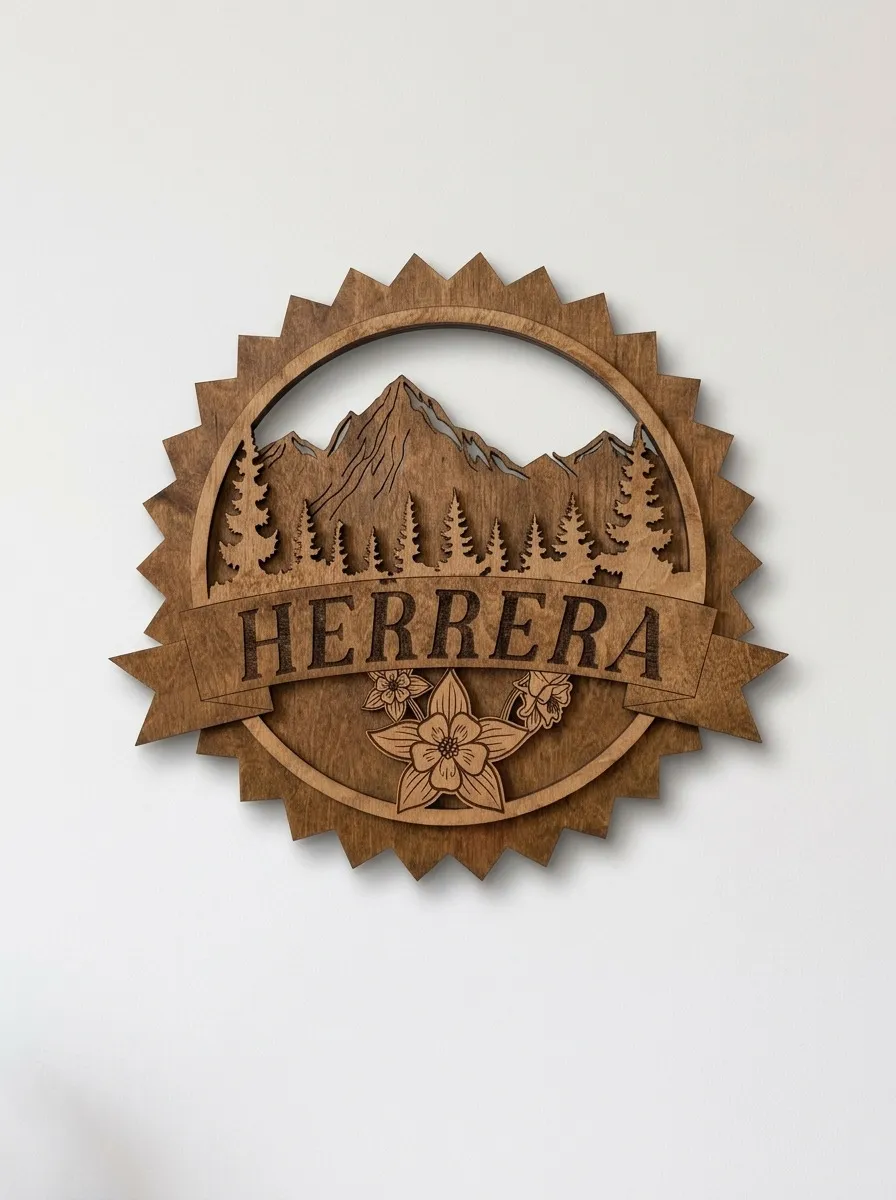
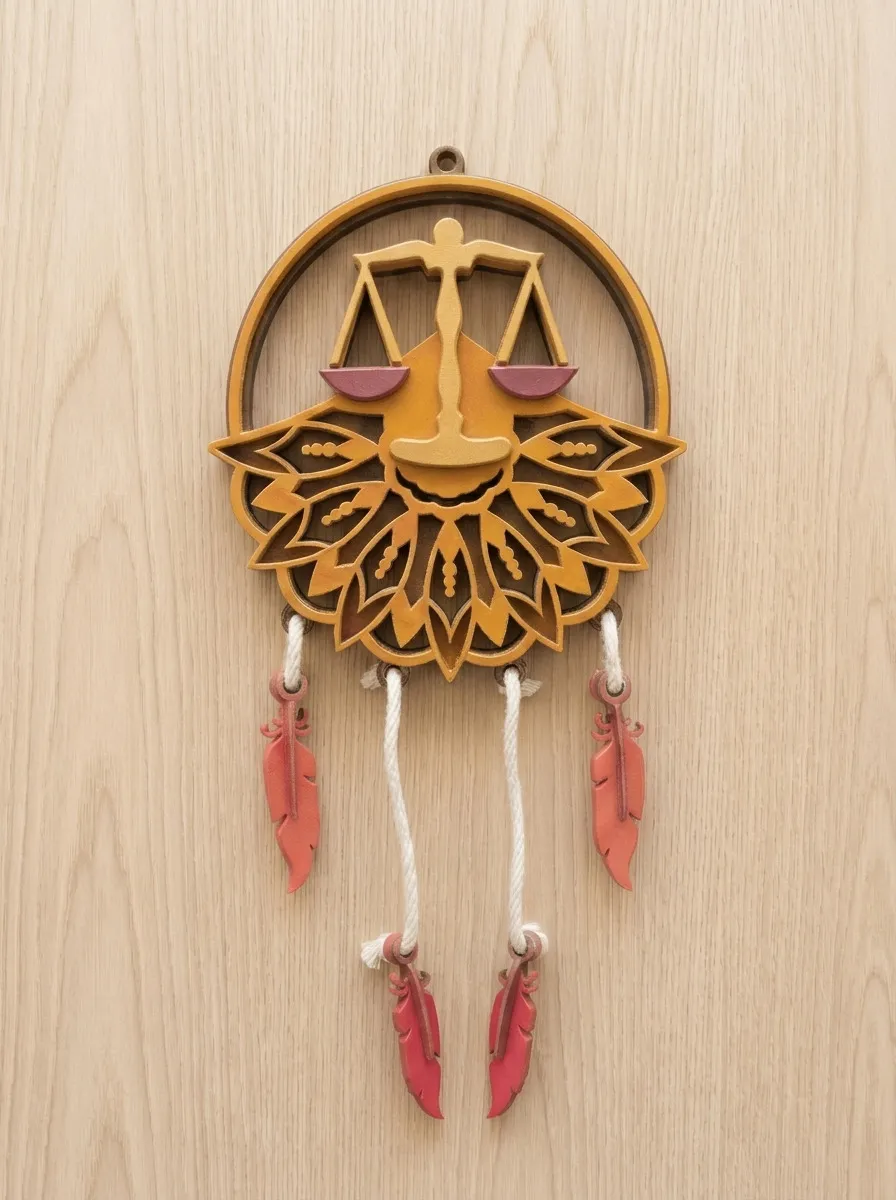
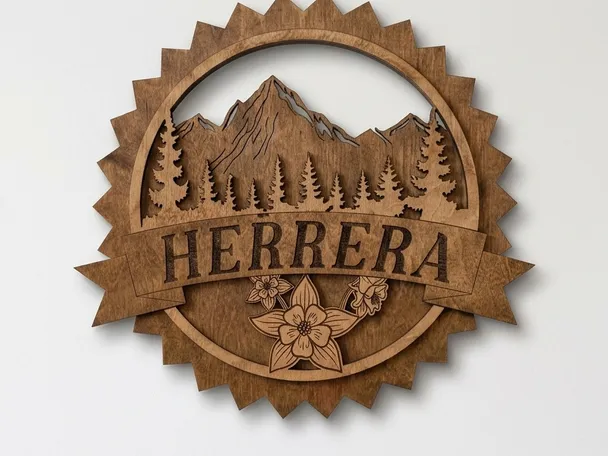
Our signs and wall pieces are Baltic birch. Each panel is inspected before cutting for sound plies, clean edges, and moisture content. What varies between pieces is the finish, not the tree. A walnut-tone stain is offered on some pieces, like the mountain name sign, and darker layers appear as an accent on others, like the layered zodiac wall art. The same birch, at ornament scale, is what our baby announcement ornament is cut from. When our copy calls a piece walnut, it is naming that color, not a walnut board. For how each option looks and wears over time, see living with handmade wood decor.
We don't currently work in pine, cedar, oak, maple, or basswood: the comparisons above are general sign-making reference, not a menu of what we can cut your order from. If you have a question about whether natural or walnut-stained birch is the right call for where your sign will live (direct sun, high humidity, indoor display), message us before ordering and we'll talk it through.